Total Home Overhaul Budgeting, Demystified

Today we’re diving into Total Home Overhaul Budgeting: Cost Drivers, Contingencies, and Savings Strategies, translating big decisions into clear, confident choices. Expect practical calculations, real examples, and candid lessons from renovations gone right and wrong so you can plan, pivot, and protect your wallet without sacrificing vision. We’ll outline step-by-step budgeting moves, risks to anticipate, and smart tradeoffs, then invite your questions, stories, and numbers to sharpen your forecast together for a resilient, inspiring home transformation.

What Really Drives Costs

Budgets balloon or behave based on scope, specifications, and surprises. Understanding the relationship between square footage, finish quality, labor availability, and existing conditions turns guesswork into strategy. We’ll pinpoint the levers that move totals most, so you can prioritize confidently, avoid sticker shock, and structure decisions that respect both your timeline and your long-term goals without sacrificing safety, durability, or design integrity.

Building a Rock-Solid Contingency

Risk Mapping Room by Room

List known uncertainties by area: bathrooms with concealed plumbing, kitchens with older circuits, basements with moisture, roofs with questionable flashing. Assign probability and impact to each risk, then quantify contingency by cluster. This granular approach avoids blanket padding and directs funds where they can do the most good. Share the map with your contractor so monitoring, sequencing, and inspection timing reflect the highest exposures.

Phasing and Buffering Schedules

List known uncertainties by area: bathrooms with concealed plumbing, kitchens with older circuits, basements with moisture, roofs with questionable flashing. Assign probability and impact to each risk, then quantify contingency by cluster. This granular approach avoids blanket padding and directs funds where they can do the most good. Share the map with your contractor so monitoring, sequencing, and inspection timing reflect the highest exposures.

Cash Flow and Emergency Reserves

List known uncertainties by area: bathrooms with concealed plumbing, kitchens with older circuits, basements with moisture, roofs with questionable flashing. Assign probability and impact to each risk, then quantify contingency by cluster. This granular approach avoids blanket padding and directs funds where they can do the most good. Share the map with your contractor so monitoring, sequencing, and inspection timing reflect the highest exposures.

Smart Savings Without Regret

Savings should never sabotage function, durability, or safety. Value engineering works when guided by usage, lifecycle, and maintenance. Rethink layouts before chasing discounts, prioritize insulation and systems efficiency, and consider standardized sizes. Ethical bargaining, bulk purchasing, and flexible specs drive costs down responsibly. Share your must-haves and nice-to-haves with the team so alternatives protect your day-to-day experience while trimming wasteful spending across the project.

Where to Spend, Where to Save

Spend where touch, wear, moisture, and heat are constant: flooring, hardware, waterproofing, and mechanical systems. Save on decorative layers that are easy to refresh later, like paint or non-structural millwork. Prioritize quiet, comfort, and efficiency. A well-sealed envelope and balanced HVAC outperform flashy add-ons. When funds tighten, preserve layouts, rough-ins, and infrastructure; these are costly to fix later and underpin everyday livability and performance.

Timing Purchases and Negotiations

Lock pricing on volatile items early, but keep flexibility on finishes vulnerable to trend-driven premiums. Request bundled orders, early-pay discounts, and substitutions with equal or better warranties. Track seasonal sales for appliances and fixtures. Ask suppliers about open-box bargains and freight consolidation. Written quotes with expiration dates clarify decisions and reduce stress. Transparent communication encourages vendors to flag opportunities before deadlines compress your choices and margins.

DIY vs Pro: Hybrid Approaches

Blend professional structure, electrical, and plumbing with owner-led tasks like painting, demolition, or landscaping. Define interfaces carefully so DIY does not delay inspections or void warranties. Set realistic time estimates, tool lists, and safety plans. When fatigue or complexity rises, hand off responsibly. A hybrid plan can trim costs materially while preserving quality, provided roles are documented, schedules respected, and your pride never outruns practical competence.

Estimating Like a Pro

{{SECTION_SUBTITLE}}

Bottom-Up Takeoffs
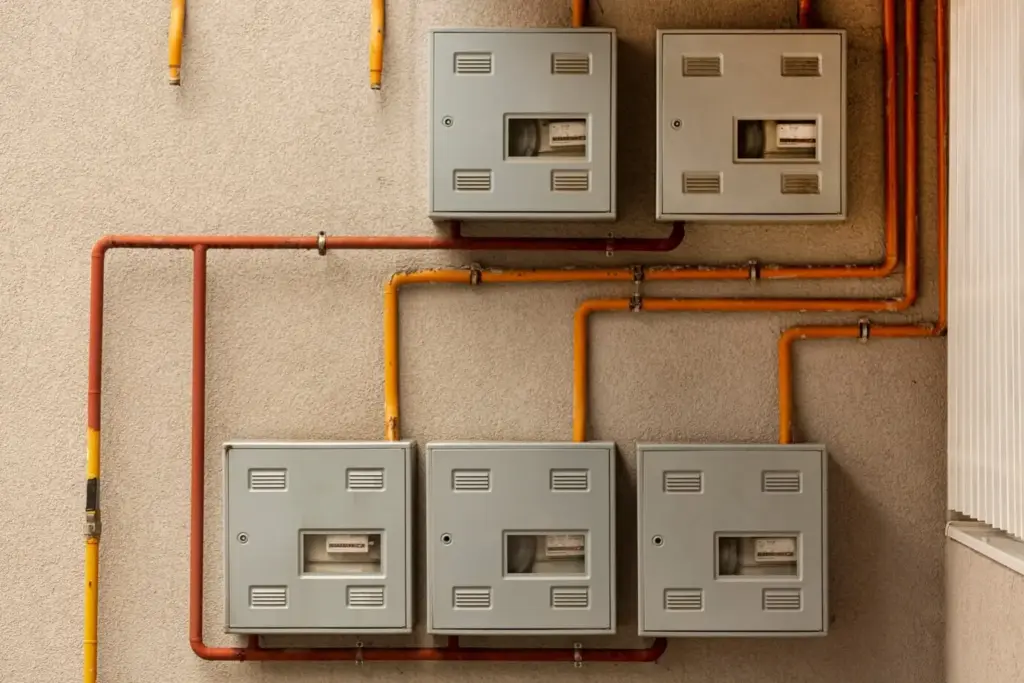
Count everything: linear feet of trim, square feet of tile, number of outlets, fixtures, and hinges. Multiply by labor productivity and waste factors. Cross-check drawings against site photos and measurements. Small omissions aggregate into big cost swings. Cloud spreadsheets with version control protect accuracy when the team iterates. Clarity here yields quotes that reflect reality, not optimistic sketches or rushed assumptions under tight bidding windows.

Benchmarking and Unit Costs

Use regional cost databases and recent project benchmarks to validate your takeoffs. Unit costs reveal trends in labor scarcity or material volatility. Outliers prompt questions and negotiations rather than surprises during construction. Adjust for access, complexity, and finish level. If your numbers deviate, document why. A strong benchmark prevents magical thinking, supports firm commitments, and earns trust with trades who appreciate prepared, data-driven clients.

Permits, Codes, and Hidden Fees

Permitting Timeline and Fees
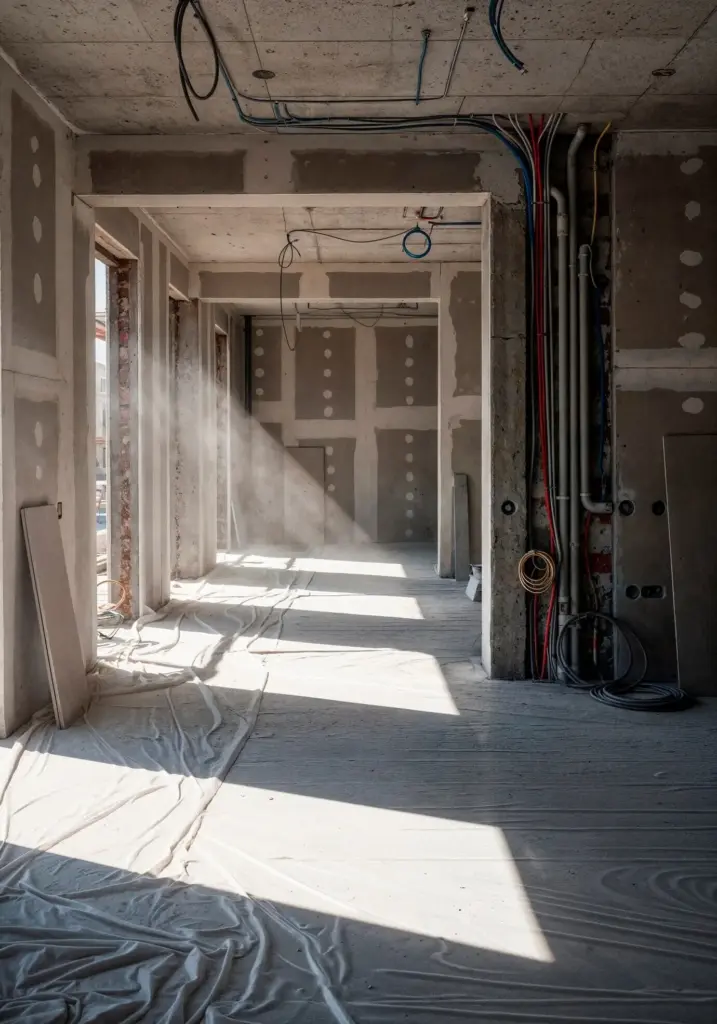
Create a permit calendar with responsible parties, submittal dates, review windows, and dependencies. Factor in plan check comments and potential resubmissions. Some jurisdictions require separate trade permits, each with its own fee structure. Ask about expedited pathways and prerequisites. Holding costs during review can rival construction costs. A crisp plan package with clear scope narratives shortens the queue, preserves momentum, and prevents last-minute documentation scrambles.

Inspections and Code Upgrades

Inspections are milestones, not obstacles. Schedule them proactively and ensure work is ready to pass. Many renovations trigger energy, egress, smoke alarm, or seismic upgrades that affect multiple rooms. Budget these early to prevent heartburn. Photograph concealed work for records. A respectful, transparent relationship with inspectors saves time and supports safe outcomes. Code compliance isn’t a burden; it is an investment in resilience and peace of mind.

Insurance, Bonds, and Site Logistics

Verify contractor insurance, endorsements, and license status before mobilization. Ask about performance bonds for larger scopes. Plan site logistics: dumpsters, staging, parking, protection, and temporary utilities. Seemingly small details create real costs if ignored. Clear site rules minimize damage and rework. Document deliveries, maintain sign-in logs, and keep neighbors informed. Good logistics reduce friction, maintain crew morale, and convert chaos into steady, predictable progress.

Managing Vendors and Contracts

Strong agreements and respectful collaboration lower costs and stress. Choose a contract structure that fits your risk tolerance and need for flexibility. Align scopes, specs, and drawings with payment terms and warranties. Preconstruction meetings create shared expectations. Track changes in writing and tie them to updated schedules. When issues arise, clarity beats emotion. Professional relationships preserve pricing goodwill and keep your project moving toward a satisfying finish.
Zofakelefuxaxolikonora
Privacy Overview

This website uses cookies so that we can provide you with the best user experience possible. Cookie information is stored in your browser and performs functions such as recognising you when you return to our website and helping our team to understand which sections of the website you find most interesting and useful.