
From Wiring to Wallpaper: Complete Home Redesigns


Blueprint to Beauty: Planning a Whole‑Home Reinvention
Power, Data, and Hidden Systems Done Right
Modern Electrical Upgrades
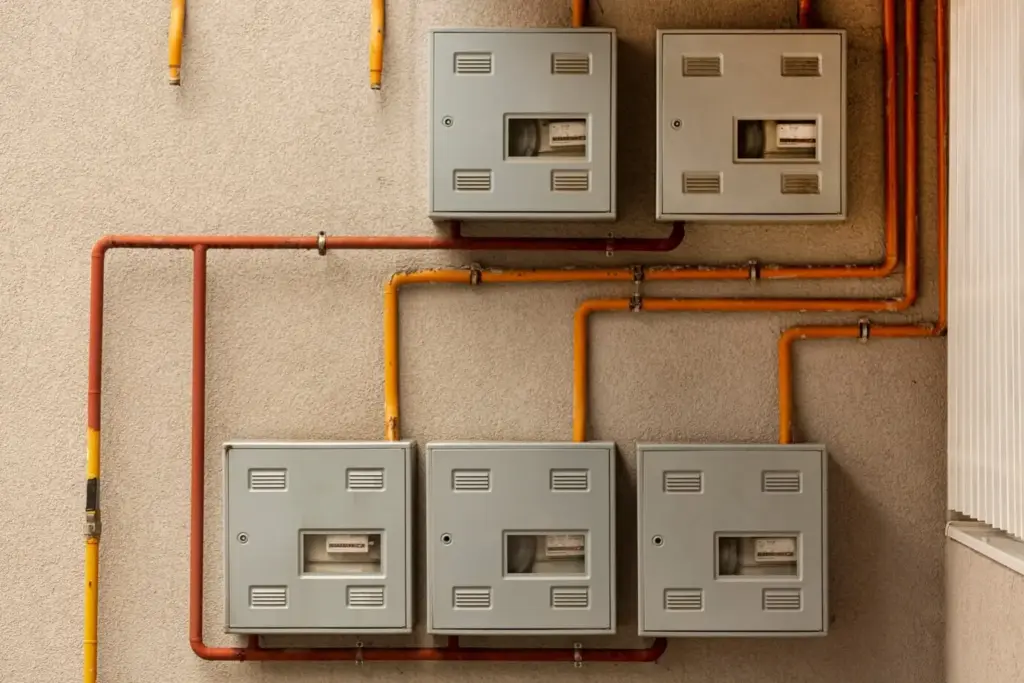
Install AFCI protection for living spaces, GFCI where moisture lives, and tamper‑resistant receptacles throughout. Provide dedicated circuits for induction ranges, microwaves, and laundry. Add a subpanel if expansion looms, and consider an interlock or transfer switch for backup power. Whole‑home surge protection shields electronics. Thoughtful outlet placement behind nightstands and sideboards eliminates dangling cords. Label breakers plainly, and keep a laminated circuit map in the kitchen drawer for quick troubleshooting and peace.
Layered Lighting That Works All Day
Blend ambient, task, and accent lighting to balance clarity and atmosphere. Choose 2700–3000K for cozy spaces, 3500–4000K for work zones, and prioritize high CRI for true colors. Dim everything essential and program scenes for morning routines, dinners, and movie nights. Under‑cabinet strips, toe‑kick lights, and recessed adjustable accent downlights add depth. Calculate approximate lumens per room, avoid over‑gridding cans, and test glare angles. Tell us your toughest corner; we will light it.
The Connected Home Backbone
Run Cat6A to desks, TVs, access points, and key ceilings for flexibility, even if Wi‑Fi dominates. Add conduit, or 'smurf tube,' from media panel to key locations to future‑proof. Plan a centralized low‑voltage hub, label every run, and test before drywall. Strategically place Wi‑Fi 6 or 6E access points based on a heatmap, avoiding metal obstructions. Use PoE for cameras and sensors. Share your layout, and we will suggest reliable, tidy routing strategies.
From Subfloor to Finish: Materials That Last
Floors Built for Life
Walls That Behave and Dazzle
Counters, Backsplashes, and Bath Shields

Craft a Cohesive Palette

Textures That Invite Touch
Greener Upgrades, Healthier Rooms
01
Low‑VOC and Low‑Odor Finishes
Choose paints and adhesives with third‑party certifications, like GREENGUARD Gold, and confirm VOC content in grams per liter. Ventilate with box fans and MERV‑rated filters during curing. Seal MDF edges to reduce emissions. Consider mineral or lime‑based paints where appropriate. Use water‑borne polyurethane for floors. Track indoor air quality with a simple monitor. Share sensitivities or timelines, and we will build a sequencing plan that respects health while keeping schedules realistic.
02
Energy Moves That Pay Back
Upgrade attic insulation to recommended R‑values, air‑seal penetrations, and install quality weatherstripping. Consider a heat pump for efficient heating and cooling, induction for faster, cleaner cooking, and an ERV or HRV to refresh air without major heat loss. LED retrofits cut lighting loads dramatically. Smart thermostats help but sealing and insulation come first. Describe your climate zone and utility rates, and we will outline improvements with simple payback estimates and comfort benefits.
03
Reclaimed, Rescued, and Repurposed
Visit salvage yards for solid doors, unique ironmongery, and patinated mantels that add story and reduce waste. Deconstruct, don’t demolish, to preserve usable framing and trim. Mill reclaimed oak into stair treads or shelves; finish with durable, low‑sheen oils. Clean hardware gently and test lead on painted finds. Blend old and new thoughtfully. Share a treasured piece you own, and we will propose ways to spotlight it without compromising function or code requirements.